Many adults expect work injuries to heal on their own, but these injuries often cause lingering discomfort that affects daily activities long after the incident. Pain, stiffness, and weakness can slow work tasks and make routine chores harder to manage. Learning how physical therapy for work injuries helps the body recover gives adults a clearer path toward steady healing and better function. Clearing up common myths helps people understand why early treatment makes recovery smoother and safer.
Common Myths About Work Injuries
Myth 1: Work Injuries Heal Fully with Rest Alone
Fact: Rest helps during the earliest stages, but too much rest slows healing. When muscles and joints stay still for long periods, they weaken and become stiff. This stiffness increases discomfort and makes it more challenging to return to work. Physical therapy introduces gentle, controlled movements that prevent muscle loss and support tissue healing. These guided exercises help the body regain strength and mobility without aggravating the injury.
Myth 2: Only Severe Work Injuries Need Physical Therapy
Fact: Even mild strains, sprains, or repetitive-use injuries can create long-term problems when left untreated. Small issues grow into bigger ones when movement patterns change to avoid pain. Physical therapy for work injuries addresses these changes early. Therapists evaluate posture, muscle balance, and joint motion to identify areas that need support. Treating these concerns early helps prevent chronic discomfort and reduces the risk of reinjury.
Myth 3: Pain Must Completely Disappear Before You Begin Therapy
Fact: Waiting for pain to vanish often delays recovery. Physical therapists help adults move safely, even while mild discomfort is present. The goal is to reduce irritation, improve mobility, and strengthen areas that support healing. Starting therapy early helps guide tissues toward healthy movement patterns. This prevents stiffness from building and helps the body recover efficiently.
Myth 4: Work Injuries Only Affect the Injured Body Part
Fact: The body compensates when one area hurts. A back injury may alter how someone bends, a shoulder injury may affect posture, and an ankle injury may impact balance. These changes create new areas of strain. Physical therapy for work injuries evaluates the whole body, not just the painful area. Therapists correct compensations before they become long-term habits. This whole-body approach supports safe and steady recovery.
Myth 5: Physical Therapy Is Only Stretching and Strengthening
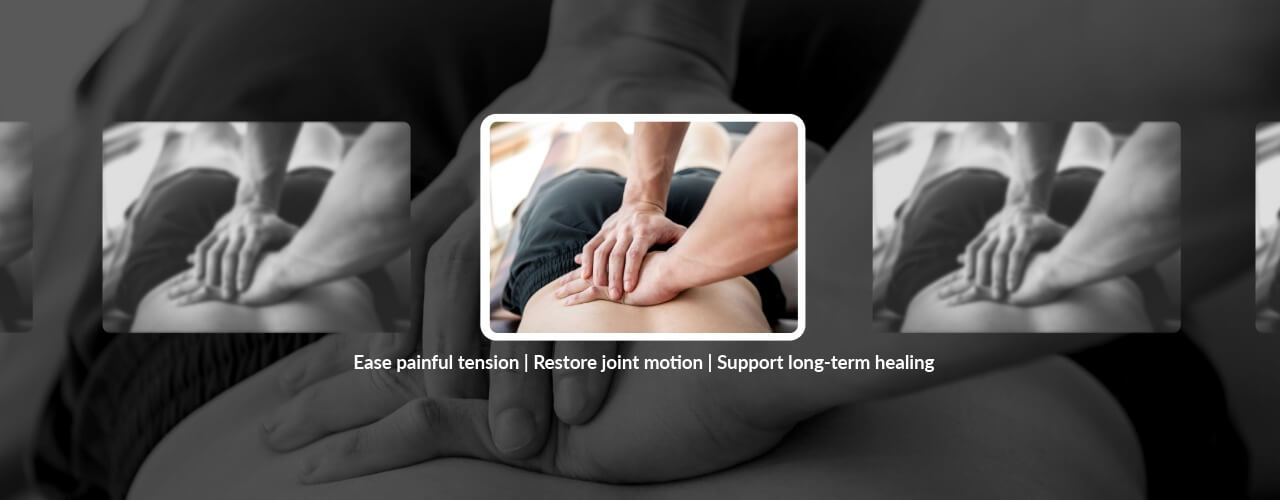
Fact: Physical therapy includes much more than exercises. Manual therapy techniques help reduce tension, improve tissue mobility, and restore joint motion. Therapists also teach posture strategies, movement patterns, and task modifications that help adults work with less strain. When needed, aquatic therapy supports movement by reducing pressure on sore joints. This variety ensures that each person receives care suited to their specific injury and job demands.
Myth 6: Returning to Work Means the Injury Has Fully Healed
Fact: Many adults return to work before their bodies have fully regained strength and mobility. Without proper support, these workers may develop new problems as they try to keep up with job demands. Physical therapy provides targeted strengthening, ergonomic guidance, and mobility work that prepare the body for real workplace tasks. This preparation reduces the chance of recurring discomfort and supports safe, long-term recovery.
Myth 7: Work Injuries Only Happen in Physically Demanding Jobs
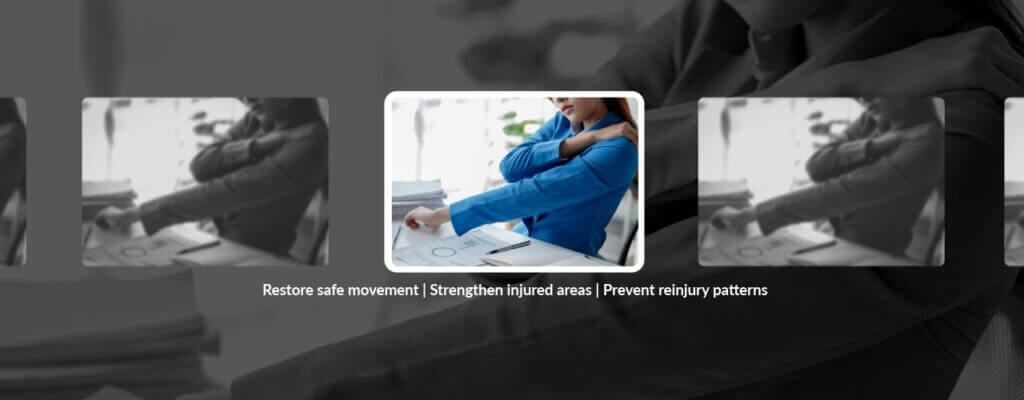
Fact: Office workers experience work injuries, too. Long hours at a computer can lead to neck pain, shoulder tightness, and wrist irritation. Poor posture and repetitive motion contribute to these issues. Physical therapy for work-related injuries includes ergonomic corrections, posture training, and strengthening strategies that help desk workers maintain comfort. Recovery is not limited to physically demanding roles. All workers can benefit from personalized support.
How Physical Therapy for Work Injuries Helps You Recover and Stay Active
Physical therapists closely examine the cause of the injury and its impact on daily tasks. This detailed evaluation results in a personalized treatment plan designed to enhance strength, mobility, and balance. Manual therapy helps ease stiffness, while guided exercises support long-term healing. Therapists also teach ways to perform work activities safely, which helps prevent reinjury.
Recover With Confidence at Total Function Physical Therapy PC
At Total Function Physical Therapy PC, physical therapists provide personalized care that supports healing from a wide range of workplace injuries. Our team utilizes physical therapy to treat work-related injuries, enhancing mobility, reducing pain, and restoring comfort during daily tasks. If job-related discomfort is affecting your routine, contact Total Function Physical Therapy PC today to initiate a safe and supportive recovery plan.
Tags: repetitive‑use injuries, work‑related strain, workplace recovery support, ergonomic injury prevention