Recovering from an injury can feel overwhelming when every movement on land brings discomfort or hesitation. Many adults find that aquatic therapy creates a completely different healing experience. The reduced pressure, gentle resistance, and warm temperatures help the body move in ways that may feel impossible on a hard surface. Understanding the benefits of water therapy for injury recovery gives adults confidence and hope as they begin rebuilding strength, mobility, and comfort. Below are the top ways water supports a smoother and safer recovery.
Ten Reasons Why Healing Feels Easier in the Water
1. Buoyancy Makes Movement More Comfortable
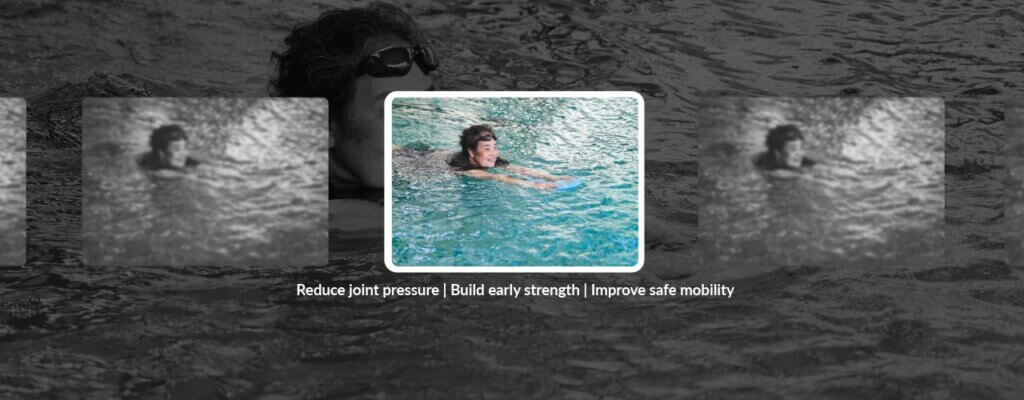
Water supports a large portion of your body weight. This makes it easier to practice walking, stepping, or reaching without the discomfort that often appears after an injury. Adults recovering from ankle sprains, knee pain, back issues, or joint surgeries often feel immediate relief once they step into the water. Buoyancy reduces joint compression, allowing the body to move freely with less strain.
2. Warm Water Helps Muscles Relax Naturally
Warmth increases circulation and helps loosen tight muscles. This relaxation reduces stiffness, making it easier to perform gentle stretches or mobility exercises. When combined with slow, guided movement, warm water softens tension around injured areas and prepares the body for strengthening. This is one of the significant advantages of water therapy for injury recovery, particularly for adults with chronic muscle tightness.
3. Natural Water Resistance Builds Strength Safely
Water creates resistance in every direction. This resistance challenges muscles without placing heavy loads on the joints. As a result, adults can begin strengthening earlier than they might on land. Resistance levels adjust automatically based on effort, ensuring exercises remain safe and controlled. This is especially helpful for people who want to rebuild strength without risking reinjury.
4. Injury-Safe Cardio Improves Endurance
Many adults struggle to perform cardiovascular exercise after an injury. Walking or cycling may feel too demanding at first. Water provides a joint-friendly environment for low-impact cardio. Activities like water walking, gentle jogging, or slow strides support heart health without overloading healing tissues. Better endurance helps adults return to daily activities with less fatigue.
5. Water Slows Down Movement for Better Control
When someone is recovering from an injury, sudden movements can feel risky. Water slows the pace of motion, giving the body more time to react. This helps adults practice stepping, turning, and weight shifting with greater control. Slower movement supports safer retraining of coordination, which is essential for long-term success.
6. Supportive Environment Reduces Fear of Pain
Fear is a common barrier during the early stages of recovery. Many adults worry that a movement will cause a setback, so they avoid motion entirely. The gentle support of the water helps reduce this fear. Knowing the water will hold part of their weight makes people feel more confident in their movement. This confidence enables them to take the necessary steps to progress.
7. Improved Balance Without the Risk of Falling
Balance problems often develop after an injury. Water provides a safe place to practice balance without the risk of falling. Small shifts in movement challenge stabilizing muscles, helping adults regain steady control of their bodies. A better balance supports a safer transition back to land-based activities.
8. Reduced Swelling Through Gentle Pressure
Water creates mild, even pressure against the body. This compression helps support circulation and may help reduce lingering swelling around ankles, knees, or other joints. When combined with guided motion, this effect helps adults feel lighter and more comfortable during their recovery sessions.
9. Better Joint Mobility Through Supported Motion
Water helps joints move through a wider range of motion while reducing strain. Adults recovering from shoulder injuries, hip pain, or knee stiffness benefit from smoother, more controlled motion in the pool. Increased mobility builds a foundation for land-based strengthening and functional activities.
10. Smooth Transition to Traditional Physical Therapy
One of the most overlooked benefits of water therapy for injury recovery is how it prepares adults for the next phase of physical therapy. Once strength, balance, and mobility improve in the water, transitioning to land exercises becomes more comfortable and effective. This creates steady progress from early recovery to full function.
Start Moving Comfortably With Water Therapy for Injury Recovery
At Total Function Physical Therapy PC, physical therapists use water therapy for injury recovery to help adults regain strength, mobility, and confidence at a pace that feels safe. Through warm water sessions, guided movement, and personalized exercise plans, our team supports every stage of healing. If you want to recover with less strain and more comfort, contact Total Function Physical Therapy PC today to begin your aquatic therapy program.
Tags: aquatic rehabilitation, buoyancy‑supported healing, low‑impact recovery, warm‑water therapy