Upper back discomfort often develops gradually and catches adults off guard. Many people blame poor posture, stress, or a long day at work, but deeper mechanical issues may be responsible. Understanding common upper back pain causes helps adults recognize patterns that warrant attention. Physical therapy plays a crucial role in identifying these deeper issues and guiding individuals toward a safe and steady recovery.
Checklist: Upper Back Pain Causes That Often Go Unnoticed
Below is a clear checklist of common factors that contribute to upper back discomfort. Each point explains why the issue develops and how physical therapy helps address it.
1. Stiffness in the Thoracic Spine
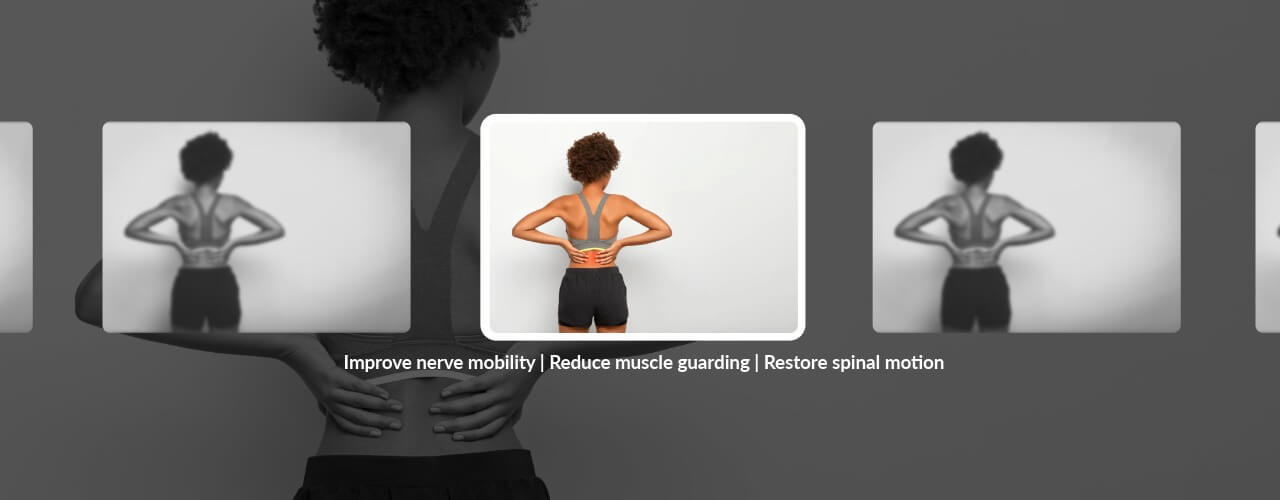
Stiff joints in the upper and middle spine reduce the body’s ability to rotate or bend comfortably. This stiffness forces the surrounding muscles to work harder, which increases tension. Physical therapists use guided mobility exercises and gentle manual techniques to restore natural motion. As mobility improves, discomfort decreases, and daily tasks feel easier.
2. Weak Muscles That Support the Shoulder Blades
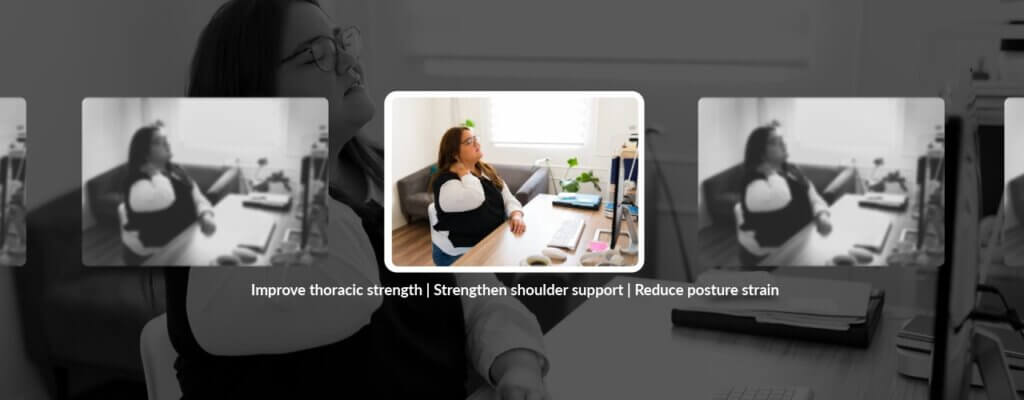
The muscles around the shoulder blades help stabilize the upper back. When these muscles weaken, the shoulders shift forward and the spine carries more strain. This issue often appears in office workers and adults who spend long hours sitting. Strengthening these supportive muscles helps reduce the load on irritated tissues and improves posture.
3. Tight Muscles From Repetitive Movements
Repeated reaching, lifting, or computer work can create muscle tightness that contributes to upper back pain causes. Tight muscles limit comfortable motion and make the body work harder during daily tasks. Physical therapy utilizes targeted stretching and soft tissue techniques to alleviate tightness and promote improved movement.
4. Posture Patterns That Put Stress on the Upper Back
Forward head posture and rounded shoulders increase pressure on the upper spine. These posture habits develop during tasks such as typing, texting, or reading. When the body stays in these positions for long periods, the upper back begins to ache. Physical therapists teach alignment strategies that reduce this strain and help maintain comfort throughout the day.
5. Poor Breathing Mechanics That Add Extra Tension
Many adults breathe shallowly without realizing how this affects their upper back. When the ribs and diaphragm do not move well, the muscles around the upper spine tighten. Physical therapy includes breathing exercises that support better rib movement. Improved breathing patterns help reduce tension and support healthier spine motion.
6. Shoulder Joint Limitations That Strain the Spine
When the shoulder joint does not move well, the upper back often compensates. This compensation increases pressure on the spine and the surrounding muscles. Physical therapists assess shoulder mobility and prescribe exercises to help restore comfortable movement. Better shoulder motion reduces stress on the upper back.
7. Stress That Increases Muscle Tension
Stress creates tension in the neck, shoulders, and upper back. Over time, this tension can develop into persistent discomfort. Manual therapy helps calm these tight muscles and supports more relaxed movement patterns. As tension decreases, adults feel more comfortable during work and daily routines.
8. Core Weakness That Affects Upper Body Control
Weakness in the core shifts extra work to the upper back during lifting, bending, or reaching. Physical therapy includes strengthening exercises that support the spine from the base up. This support helps reduce the strain on the upper back and improves overall stability.
9. Limited Hip Motion That Forces the Spine to Compensate
Tight hips affect posture and movement mechanics throughout the body. When the hips do not move well, the spine compensates by bending or rotating more. This compensation can contribute to upper back pain causes that persist over time. Physical therapists teach hip mobility exercises that reduce these compensations and help the spine move more comfortably.
10. Lack of Daily Movement
Sitting or standing in one position for extended periods can increase stiffness in the upper back. Without regular movement, tissues become sensitive and sore. Physical therapy helps adults add safe movement throughout the day to prevent tension from building.
How Physical Therapy Addresses Upper Back Pain Causes
Once the contributing factor is identified, therapists create a personalized plan that improves mobility, strengthens the surrounding muscles, and teaches healthier movement patterns. Manual therapy helps reduce stiffness, while strengthening and mobility exercises support long-term comfort. This combination helps adults understand their symptoms and regain better control of their daily movement.
Find Lasting Support at Total Function Physical Therapy PC
At Total Function Physical Therapy PC, physical therapists help adults understand upper back pain causes and create personalized plans that reduce strain, improve posture, and restore motion. If upper back discomfort limits your daily activity, contact Total Function Physical Therapy PC today to begin a supportive path toward improved comfort and mobility.
Tags: thoracic spine stiffness, posture‑related strain, rib mobility issues, shoulder blade weakness