Many adults believe that office jobs protect the body from strain, but long hours in fixed positions create their own set of challenges. Stiffness builds in the neck, shoulders, and lower back, and repeated typing or mouse use can lead to irritation in the wrists and hands. Learning how physical therapy for office workers reduces pain and improves movement helps adults understand why early support makes workdays more comfortable.
Why Office Work Creates More Pain Than People Expect: Problems and Solutions
Problem: Prolonged Sitting Causes Lower Back Stiffness
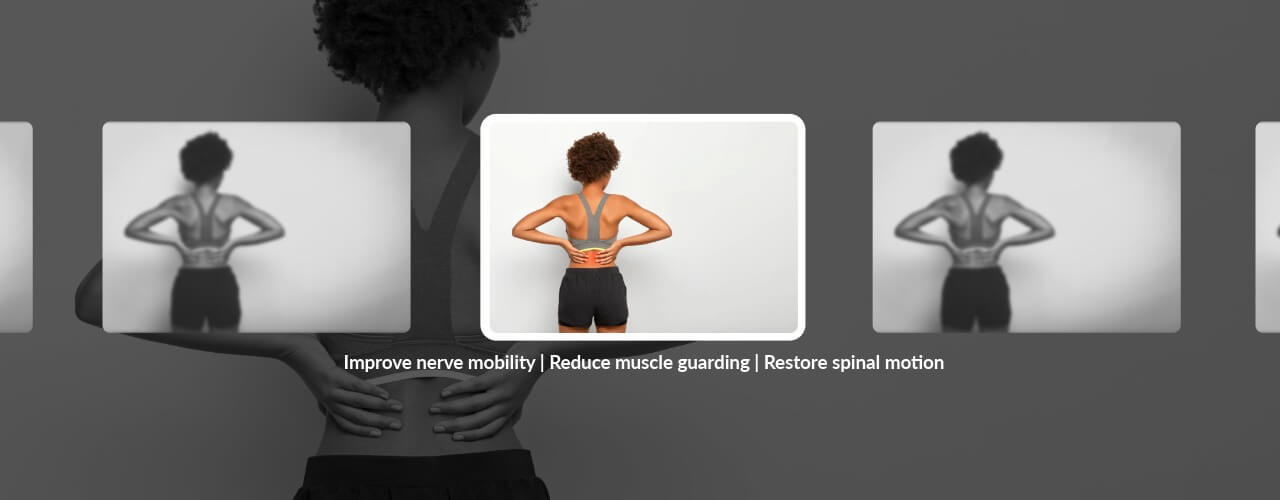
Sitting for long periods weakens the core muscles that support the spine. This weakness increases pressure on the lower back, causing stiffness, discomfort, or fatigue during and after the workday. Many adults try changing chairs or adding cushions, but these adjustments offer only temporary relief.
Solution: Strengthening and Mobility Work That Supports the Spine
Physical therapists guide office workers through exercises that improve core strength and restore lower back mobility. These movements help stabilize the spine, reduce pressure on irritated tissues, and support better posture during long workdays. As strength increases, adults notice less discomfort when sitting or standing.
Problem: Slouched Posture Creates Neck and Shoulder Tension
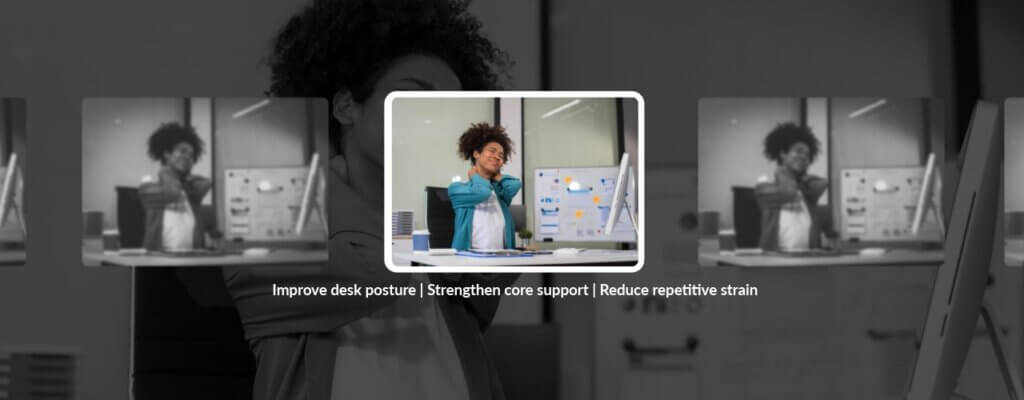
Leaning forward toward a computer screen forces the neck and shoulders into a rounded position. Over time, this posture loads the upper spine and tightens nearby muscles. This tension often leads to headaches, neck stiffness, and aching shoulders.
Solution: Manual Therapy and Posture Training That Reduce Tension
Physical therapy for office workers often begins with manual techniques that help soften tight areas in the neck, shoulders, and upper back. Once these areas relax, posture training becomes easier. Therapists teach simple alignment strategies that reduce strain and help adults maintain a healthier, more comfortable position throughout the day.
Problem: Wrist and Hand Pain Limit Typing and Daily Tasks
Typing and mouse use require steady, repetitive hand and finger movements. Over time, these actions can irritate the wrist and hand tissues, causing soreness, stiffness, or numbness. Without proper support, these symptoms may worsen during busy work periods.
Solution: Targeted Exercises That Improve Wrist Control
Therapists provide gentle mobility and strengthening exercises that support the wrists and hands. These exercises reduce irritation and help the tissues move more freely. Therapists also teach adjustments to keyboard or mouse placement to help workers reduce strain during long tasks.
Problem: Tight Hip Flexors Make Standing and Walking Uncomfortable
Extended sitting shortens the hip flexors. Tight hip flexors can cause the pelvis to tilt forward, increasing pressure on the lower back. Adults may experience discomfort while walking, standing, or climbing stairs after a long workday.
Solution: Mobility Work That Releases Tight Hips
Physical therapists teach mobility exercises that lengthen the hip flexors and improve pelvic alignment. When the hips move comfortably, the lower back experiences less strain. This improvement makes it easier for adults to move throughout the day without discomfort.
Problem: Fatigue and Weakness Reduce Daily Comfort
Office work often reduces overall activity levels. Without regular movement, muscles weaken, posture declines, and the body becomes more sensitive to strain. This combination leads to slower recovery when discomfort appears.
Solution: A Personalized Physical Therapy for Office Workers Plan That Supports Daily Movement
Therapists design programs that improve strength, balance, and joint mobility. These programs help office workers feel more energized throughout the day. Increased movement helps reduce the pressure that builds up during prolonged sitting periods and supports overall comfort.
Problem: Workstations Often Increase Strain Without People Realizing It
A poor desk setup can contribute to neck strain, shoulder tension, wrist irritation, and lower back discomfort. Many adults never adjust their workstations, even when pain begins to appear.
Solution: Ergonomic Guidance That Reduces Daily Stress
Physical therapy for office workers includes ergonomic recommendations. Therapists help adjust chair height, monitor posture, keyboard placement, and other strategies to support optimal positioning. These changes reduce unnecessary stress and help workers stay comfortable during long tasks.
Problem: Pain Interrupts Focus and Productivity
When pain increases, focus decreases. Adults may find themselves shifting in their chairs, stretching constantly, or struggling to concentrate because discomfort interrupts their work.
Solution: A Path Toward Steady, Comfortable Movement
Physical therapy helps workers manage pain and regain control over their comfort. As mobility improves and strength increases, tasks feel less demanding. This progress helps adults stay productive and maintain better comfort during workdays.
Recover Comfortably With Help From Total Function Physical Therapy PC
At Total Function Physical Therapy PC, physical therapists provide personalized physical therapy for office workers to reduce pain, improve mobility, and support healthier posture. Our hands-on care and targeted exercises help adults work with greater comfort. If office work is affecting your daily routine, contact Total Function Physical Therapy PC today to start a supportive recovery plan.
Tags: office ergonomics, posture‑related pain, repetitive strain issues, workplace mobility support