
Many adults feel surprised when headaches appear days after a collision. At first, the discomfort may feel like simple tension. But headaches after a car accident often point to deeper soft tissue irritation in the neck, upper back, or shoulders. These tissues absorb force during a crash and may tighten, weaken, or stiffen over time. Understanding what these headaches mean helps adults act early and avoid long-term problems. Here is a step-by-step guide to understanding your symptoms and the actions that support steady recovery.
Steps to Recognize Headaches
Step 1: Recognize That Headaches After a Car Accident Are Not Random
After a crash, the body reacts with a surge of adrenaline. This can hide symptoms for hours or even days. Once that adrenaline fades, tension begins to build in the neck and upper back. This tension places pressure on nerves and surrounding tissues, which leads to headaches. Many adults assume the pain is unrelated to the crash, but the timing is often a clear indicator of soft tissue irritation. These early headaches are a signal that your body needs a closer look.
Step 2: Understand the Link Between the Neck and Head Pain
The neck plays a major role in supporting the head. When a crash forces the neck to move quickly, muscles and ligaments may stretch beyond their usual range. This irritation limits motion and increases tightness. As stiffness builds, pressure spreads upward toward the base of the skull. This can trigger frequent headaches. Physical therapists assess neck mobility, muscle tension, and posture to understand precisely how these structures contribute to your symptoms.
Step 3: Identify Patterns That Make the Headaches Worse
Headaches after car accidents become more noticeable during certain activities. Adults commonly report increased pain when
- Looking down at a phone
- Working at a computer
- Driving for long periods
- Turning the head quickly
These patterns reveal how the irritated tissues respond to daily stress. Physical therapists use this information to tailor treatment and prevent the headaches from growing stronger.
Step 4: Start Manual Therapy to Reduce Tension
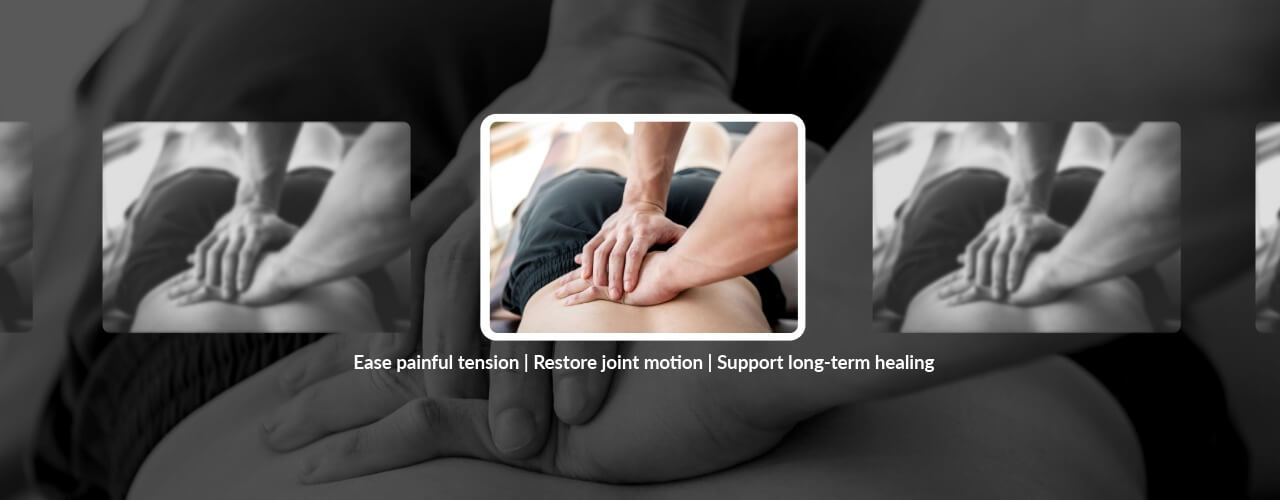
Manual therapy plays a central role in treating headaches after a car accident. Physical therapists use hands-on techniques to release tight muscles around the neck and shoulders. This soft tissue work improves circulation and reduces the pressure that contributes to headaches. Gentle joint techniques help restore natural movement in the neck, making daily tasks more comfortable. Many adults feel immediate relief as tension begins to ease.
Step 5: Use Guided Exercises to Restore Healthy Motion
Movement is essential for healing. Prolonged rest can increase stiffness and make headaches more frequent. Physical therapists teach gentle exercises that help you move your neck safely. These movements improve flexibility, support healthy blood flow, and prevent the muscles from tightening again. Early motion also helps your nervous system relax and settle after the crash.
Step 6: Strengthen the Muscles That Support the Neck
Weak muscles make the neck work harder than it should. When these muscles fatigue, the head often shifts forward, creating more tension and more headaches. Physical therapists use strengthening exercises to activate deep neck muscles, shoulder stabilizers, and upper back support muscles. These exercises keep the neck aligned and help prevent recurring pain.
Step 7: Address Posture Issues That Feed the Headaches
Poor posture is one of the most common contributors to post-accident headaches. Leaning forward, shrugging the shoulders, or holding tension in the upper back increases strain on healing tissues. Physical therapists teach simple posture habits that protect the neck throughout the day. Adjusting screen height, supporting the lower back, and practicing gentle alignment cues all help reduce headache frequency.
Step 8: Build a Home Routine That Supports Healing
A personalized home program keeps headaches from returning. Therapists provide simple exercises you can perform throughout the day to maintain flexibility and strength. These routines help reinforce what you learn in therapy and keep the neck moving comfortably. Consistency makes a major difference in long-term recovery.
Step 9: Know When to Seek Help Soon Rather Than Later
Frequent headaches should not be ignored. They often indicate soft tissue injury, joint irritation, or muscle imbalance related to the crash. Physical therapy offers a safe and effective way to address these issues early. With guided treatment, adults recover more quickly and reduce the risk of chronic pain.
Recover with Confidence at Total Function Physical Therapy PC
At Total Function Physical Therapy PC, physical therapists help adults manage headaches after a car accident with personalized care that reduces pain, improves mobility, and restores healthy movement. Through manual therapy, aquatic therapy, and guided exercises, we support each stage of your recovery. If headaches are affecting your daily life after a crash, contact Total Function Physical Therapy PC today to begin a clear and comfortable path to healing.
Tags: collision recovery support, neck‑related head pain, post‑accident headaches, whiplash symptoms