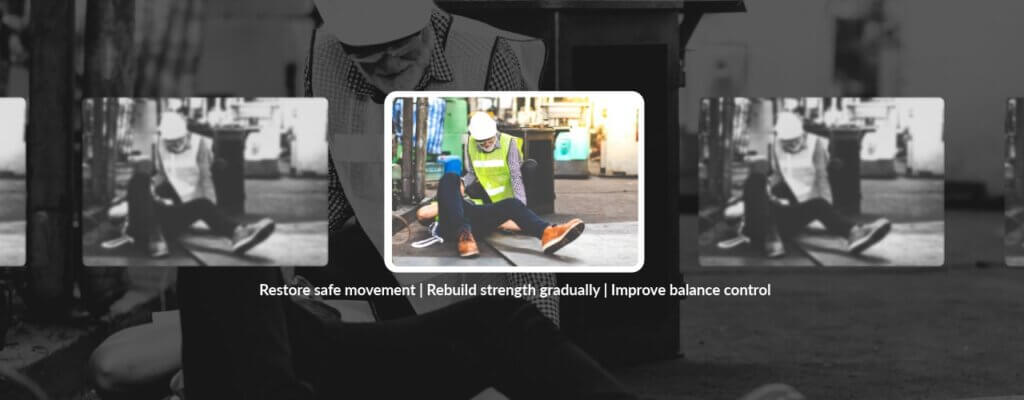
A fall at work can cause soreness, stiffness, and difficulty moving comfortably. Even when symptoms initially feel mild, limited mobility can develop over time if the body does not heal properly. Understanding what happens during physical therapy after a fall at work helps adults feel prepared and confident as they begin the recovery process. This list outlines what to expect during treatment and how each stage contributes to a safe and steady improvement.
Steps to Full Recovery After Your Fall
Step 1: A Detailed Evaluation to Understand Your Injury
Your first session begins with a careful evaluation. The therapist asks about how you fell, which motions feel uncomfortable, and how the injury affects your daily tasks. They check joint mobility, strength, balance, and posture. This assessment helps identify the exact areas impacted by the fall. The therapist uses these findings to create a plan that supports safe progress.
Step 2: A Personal Plan for Physical Therapy After a Fall at Work
Your care plan focuses on your symptoms, job tasks, and recovery goals. This plan outlines the areas that need strengthening, the joints that require improved mobility, and the movements that require retraining. Adults who work in physically demanding jobs receive training plans that prepare them for tasks such as lifting, bending, or climbing. Office workers receive support for posture, balance, and mobility control. This personalized approach helps each person heal at a comfortable pace.
Step 3: Manual Therapy That Reduces Tension and Stiffness
Falls often create muscle tightness, soft tissue irritation, or joint stiffness. Manual therapy helps alleviate these issues by gently guiding joints and easing tension in the affected area. This hands-on care helps the body move more comfortably, so exercises feel easier and less stressful. As stiffness decreases, adults notice improved flexibility and better control during daily activities.
Step 4: Strength Training That Supports Safe Movement
Falls often weaken muscles that protect the joints. Physical therapists use strengthening exercises to target specific areas, such as the core, hips, shoulders, or legs, depending on the injury. These exercises help restore stability and protect against reinjury. Improved strength also helps adults perform their job duties with more confidence. This stage builds the foundation needed for long-term recovery with physical therapy after a fall at work.
Step 5: Balance Training to Prevent Another Fall
Falls can affect balance, especially when the body tries to protect an injured area. Therapists include balance exercises that retrain the body’s ability to stay steady during movement. These exercises may involve standing on different surfaces, shifting weight, or stepping safely in different directions. Better balance helps adults feel more secure at work and reduces the risk of another fall.
Step 6: Mobility Exercises That Improve Daily Comfort
Limited mobility is common after a fall. The injured area may feel tight or difficult to move fully. Mobility exercises help restore comfortable motion and prevent stiffness from becoming long-term. These exercises match the person’s healing stage and increase gradually as comfort improves. Better mobility supports walking, lifting, and routine chores.
Step 7: Functional Training That Mirrors Work Tasks
As healing progresses, physical therapy after a fall at work includes movements that mimic real tasks. For example, if someone needs to lift items at work, the therapist teaches safe lifting techniques. If the injury affects climbing stairs, stepping drills help rebuild confidence. These job-focused activities help adults return to work more safely.
Step 8: Education on How to Move With Less Strain
Education is a key part of recovery. Your therapist teaches simple strategies for bending, reaching, or carrying to protect the healing area. These techniques reduce stress on the joints and help prevent future injuries. Learning safe movement practices helps adults maintain progress long after therapy ends.
Step 9: Guidance for Pain Management at Home
Pain management strategies help support recovery outside the clinic. Therapists teach gentle stretches, comfortable resting positions, and movement habits that reduce discomfort. If inflammation is present, the therapist explains how to use ice correctly to reduce pain. These strategies help adults stay active without aggravating the injury.
Step 10: A Clear Path to Returning to Work Confidently
As strength and mobility improve, the therapist reassesses your progress. They check how well the injured area supports your work tasks and daily activities. Once you demonstrate safe movement and control, the therapist helps plan your return to work. This clear transition helps adults feel ready and well-prepared to resume their routines.
Recover Safely With Total Function Physical Therapy PC
At Total Function Physical Therapy PC, physical therapists provide personalized physical therapy after a fall at work to help adults regain comfort, confidence, and strength. Our hands-on care, targeted exercises, and job-focused training support steady healing and improved mobility. If a fall at work affects your daily life, contact Total Function Physical Therapy PC today to begin a safe and supportive recovery plan.
Tags: balance and mobility training, job‑related injury rehab, post‑fall stiffness, workplace fall recovery